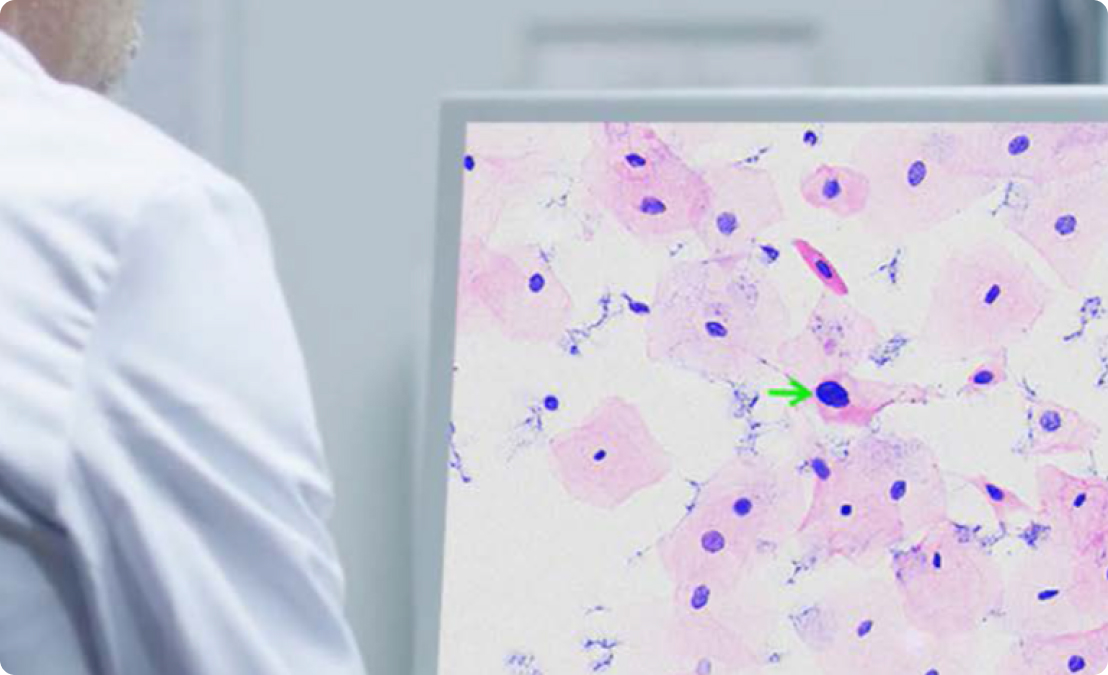
HPV DNA testing’s inability to predict cancer progression creates dangerous gaps in cervical cancer screening. With 89% sensitivity and 84.6% specificity, HPV DNA testing misses critical cases where women with HPV infections progress to cancer. These false negatives represent missed opportunities for life-saving intervention.
DNA ploidy testing offers a revolutionary solution by detecting aneuploidy—the fundamental biomarker of cancer—with 98% sensitivity and 100% specificity. Unlike HPV DNA testing, which only identifies viral presence, DNA ploidy testing detects the actual cellular changes that lead to cancer, providing true predictive value.
The evidence is overwhelming: combining HPV DNA testing with DNA ploidy analysis eliminates false negatives and provides comprehensive cancer screening. Every woman deserves screening that not only detects HPV infection but also identifies actual cancer risk.
The technology exists. The evidence is clear. The only question is whether healthcare systems will embrace this life-saving advancement to solve the HPV DNA false negative crisis that puts women’s lives at risk.
Don’t let HPV DNA false negatives compromise patient safety. Solve the false negative problem with DNA ploidy testing—because detecting virus presence is not enough when cancer lives are at stake.