Digipath AI Test

Revolutionize Oral and Cervical Cancer Survivor Follow-Up and Surveillance

Cancer survivorship is a critical phase that requires vigilant monitoring to ensure long-term health outcomes and early detection of recurrence. Traditional follow-up methods often fall short in providing the precision and comfort needed for optimal survivor care.
Advanced DNA ploidy testing and VELscope Vx fluorescence visualization are transforming cancer survivor surveillance, offering non-invasive, accurate, and patient-friendly monitoring solutions.

The Challenge: Inadequate Traditional Surveillance

Current Limitations in Survivor Care

Traditional follow-up protocols for oral and cervical cancer survivors face significant challenges:

Invasive procedures: Repeated biopsies cause discomfort and anxiety, leading to poor patient compliance

Subjective assessment: Visual examinations under white light miss early recurrence signs

Delayed detection: Recurrence is often detected only when symptoms appear or tumors become clinically apparent

Patient anxiety: Uncertainty between follow-up visits creates psychological stress

High costs: Repeated invasive procedures and late-stage recurrence treatment strain healthcare budgets

The Cost of Inadequate Surveillance

When cancer recurrence is detected late, the consequences are severe:

Reduced survival rates: Recurrent cancer is typically more aggressive and harder to treat

Increased treatment complexity: Late-stage recurrence requires more intensive therapies

Higher healthcare costs: Treatment expenses for recurrent cancer can be 5-10 times higher than early intervention

Diminished quality of life: Extensive treatments cause physical and emotional trauma

Economic burden: Families face catastrophic medical expenses and lost income

Revolutionary Solution: Advanced Non-Invasive Surveillance

DNA Ploidy Testing: Molecular-Level Monitoring

DNA ploidy testing provides quantitative, objective surveillance at the cellular level:

How it works:

Simple brush collection: Non-invasive sampling from treated sites

Feulgen staining: Highlights DNA content in collected cells

Whole slide imaging: High-resolution scanning captures every cell

Automated analysis: AI measures DNA content and identifies abnormal cells

Quantitative results: Objective data on cellular behavior with 98% sensitivity and 100% specificity

VELscope Vx: Visual Surveillance Technology

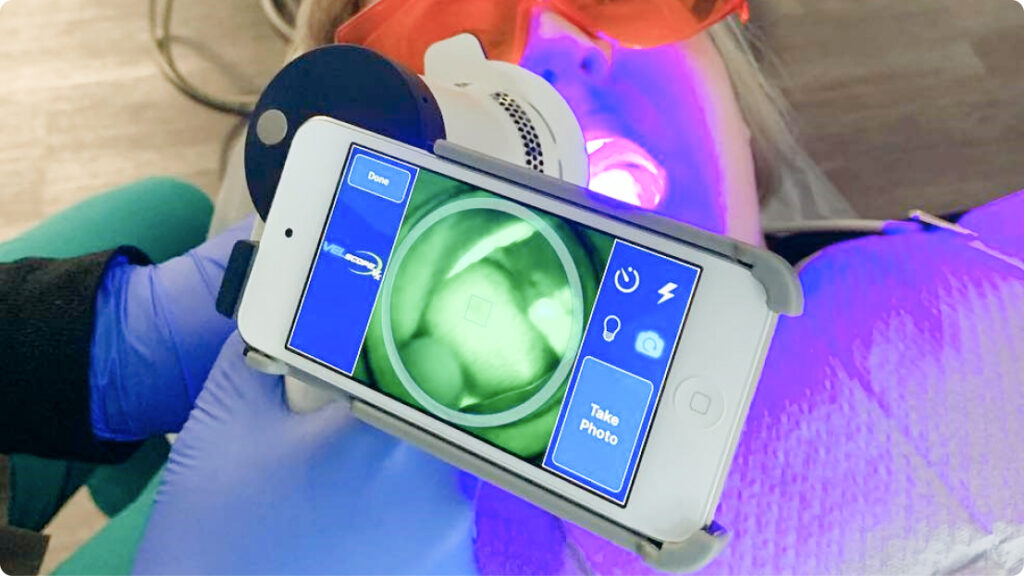
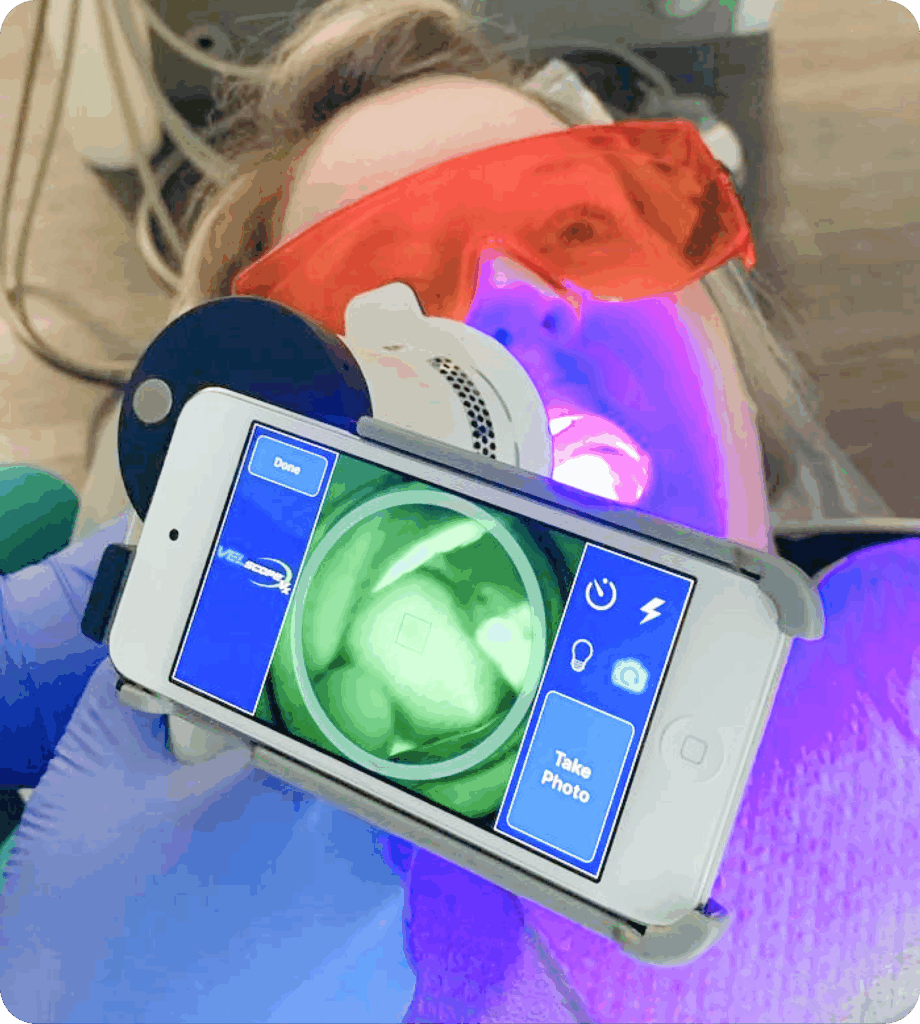
VELscope Vx utilizes tissue fluorescence visualization to monitor treated sites:

key features:

Real-time visualization: Immediate assessment of tissue changesSimple brush collection: Non-invasive sampling from treated sites

Detects invisible changes: Identifies abnormalities developing beneath the tissue surface

Real-time visualization: Immediate assessment of tissue changesSimple brush collection: Non-invasive sampling from treated sites

Detects invisible changes: Identifies abnormalities developing beneath the tissue surface

Comprehensive Surveillance Benefits Enhanced Early Detection

Molecular-Level Monitoring:

DNA ploidy testing detects cellular changes at the molecular level before clinical symptoms appear

Identifies aneuploidy – the fundamental biomarker of cancer recurrence

Monitors biological cell behavior in previously treated areas

Establishes baseline data for comparison during follow-up visits

Visual Surveillance:

VELscope reveals tissue changes invisible to naked eye examination

Fluorescence patterns indicate developing abnormalities

Real-time assessment during routine follow-up visits

Photographic documentation provides visual proof of tissue status

Improved Patient Compliance Patient-Friendly Monitoring:

Non-invasive procedures: Brush collection and fluorescence examination cause no discomfort

Quick assessment: Both tests completed in minutes during routine visits

Reduced anxiety: Objective results provide reassurance about treatment sites

High acceptance rate: Patients prefer non-invasive monitoring over repeated biopsies

Cost-Effective Surveillance Economic Benefits:

Early intervention: Detecting recurrence at molecular level enables prompt treatment

Reduced treatment costs: Early-stage recurrence treatment is 10 times cheaper than late-stage care

Fewer hospitalizations: Non-invasive monitoring reduces need for invasive procedures

Preventive approach: Stops recurrence before it becomes clinically apparent

Clinical Applications and Protocols

Cervical Cancer Survivor Surveillance

Post-Treatment Monitoring:

Baseline establishment: DNA ploidy testing immediately after treatment completion

Regular surveillance: Every 3-6 months for first 3 years, then annually

Molecular tracking: Monitor for return of aneuploid cells at treated sites

Objective assessment: Quantitative data eliminates subjective interpretation

Benefits for Cervical Cancer Survivors:

Non-invasive monitoring: Brush-based sampling more comfortable than repeated examinations

Early detection: Identifies recurrence up to 2 years before conventional methods
Objective results: Eliminates inter-observer variability in assessment

High accuracy: 98% sensitivity and 100% specificity for detecting abnormal cells

Oral Cancer Survivor Surveillance

Comprehensive Monitoring Approach:

VELscope examination: Visual assessment of surgical sites and surrounding tissues

DNA ploidy testing: Molecular-level monitoring of treated areas

Photographic documentation: Visual records of tissue status over time

Combined assessment: Integrates visual and molecular data for comprehensive evaluation

Surveillance Schedule:

Monthly examinations: First 3 months post-treatment

Quarterly assessments: 3-12 months post-treatment

Bi-annual monitoring: 1-3 years post-treatment

Annual surveillance: Long-term follow-up beyond 3 years


Economic Impact on Healthcare Systems Cost Savings Through Prevention

Healthcare System Benefits:

Reduced recurrence treatment costs:
Early detection prevents expensive late-stage interventions

Decreased hospital admissions: Non-invasive monitoring reduces need for invasive procedures

Resource optimization: Efficient use of pathology and clinical services

Improved outcomes: Better survival rates reduce long-term healthcare burden

Patient Financial Benefits:

Lower treatment costs: Early intervention is 10 times cheaper than late-stage treatment

Reduced lost income: Minimal time away from work for surveillance visits

Decreased anxiety: Peace of mind reduces psychological healthcare needs

Family protection: Prevents financial catastrophe from recurrent cancer treatment

Cancer survivor surveillance has been revolutionized by DNA ploidy testing and VELscope Vx technology. These non-invasive, accurate, and patient-friendly monitoring tools enable early detection of recurrence, reduce treatment costs, and improve quality of life for survivors. With 98% sensitivity and 100% specificity, DNA ploidy testing provides molecular-level surveillance that detects abnormalities up to 2 years before conventional methods.
The evidence is overwhelming: advanced surveillance technology transforms cancer survivorship from anxiety-filled uncertainty to confident, evidence-based monitoring. Every cancer survivor deserves access to these life-saving surveillance tools that detect recurrence early when treatment is most effective and least expensive.
The future of cancer survivor care is here. The question is not whether this technology works—clinical evidence provides definitive proof. The question is whether healthcare systems will embrace these advancements to provide the best possible care for cancer survivors.