Digipath AI Test

Drastically Reduce Oral Cancer Recurrence

Oral cancer recurrence is a devastating reality that affects up to 40% of patients who undergo conventional surgical treatment. However, breakthrough technology is now changing these statistics dramatically. With advanced fluorescence visualization and DNA ploidy testing, we can reduce oral cancer recurrence rates from 40% to as low as 6.5%, representing a game-changing advancement in oral cancer care.

The Current Crisis: High Recurrence Rates

Traditional Surgery Limitations

Limited visualization:

Under white light examination, it’s difficult to identify the exact boundaries of malignant tissue

Inadequate margins:

Late-stage oral cancer treatment is 5-10 times more expensive than early detection, straining healthcare budgets

Incomplete removal:

Microscopic cancer cells may remain at surgical sites, leading to recurrence

High recurrence rates:

Up to 40% of patients experience cancer recurrence after conventional surgery

The Cost of recurrence

Reduced Survival rates:

Recurrent cancer is typically more aggressive and harder to treat

increase treatment cost:

Second surgeries, chemotherapy, and radiation therapy multiply expenses

Diminished quality of life:

Repeated treatments cause physical and emotional trauma

Economic burden:

Treatment costs can exceed annual family income by 5-10 times

Revolutionary Solution: Fluorescence-Guided Surgery

VELscope Vx Technology

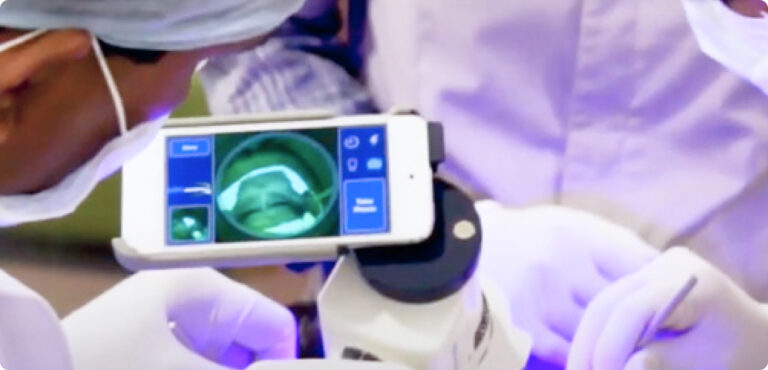
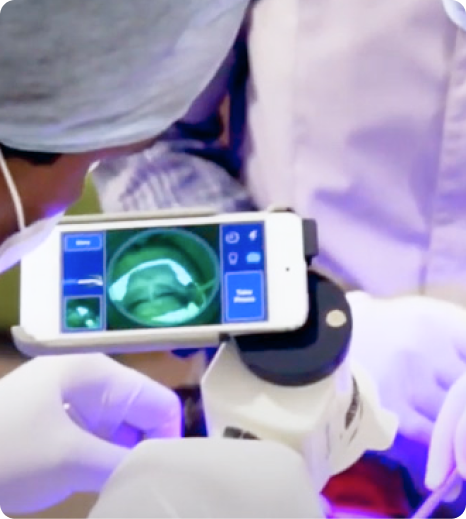
The VELscope Vx represents a paradigm shift in oral cancer surgery, utilizing tissue fluorescence visualization (TFV) to identify malignant tissue invisible to the naked eye.

How it works:

Blue light excitation: The device emits a specific wavelength of blue light

Cancer detection: Abnormal tissue shows loss of fluorescence and appears dark

Tissue response: Normal tissue fluoresces and appears as an apple-green glow

Real-time guidance: Surgeons can visualize the exact extent of cancerous tissue during surgery

Proven Results: Dramatic Recurrence Reduction

Clinical studies demonstrate the remarkable effectiveness of fluorescence-guided surgery:

92 patients with squamous cell carcinoma: 3-year local recurrence rate reduced from 40.6% to 6.5%

62 patients with high-grade lesions: Recurrence rate decreased from 39.3% to 8.1%

Overall reduction: Over 90% decrease in recurrence rates when VELscope guidance is used

Advanced Detection: DNA Ploidy Testing

DNA ploidy testing measures cellular aneuploidy, the fundamental biomarker of cancer, providing quantitative data about cell behavior at the molecular level.

98% sensitivity and 100% specificity: Unmatched accuracy in detecting abnormal cells

Objective results: Eliminates subjective interpretation and observer bias

Early detection: Identifies cancer up to 2 years before conventional methods

Quantitative data: Provides precise measurements of DNA content in each cell

Pre-Treatment Planning

DNA ploidy testing before surgery establishes crucial baseline data:

Aneuploidy mapping: Identifies the extent of abnormal cell distribution

Treatment optimization: Guides surgical planning and margin determination

Prognosis assessment: Predicts treatment response and recurrence risk

Monitoring foundation: Creates baseline for post-treatment surveillance

Benefits of Advanced Technology

Immediate Clinical Benefits

Precise surgical margins: Fluorescence visualization eliminates guesswork

Complete tumor removal: Ensures no malignant tissue remains

Reduced operative time: Real-time guidance streamlines procedures

Improved outcomes: Dramatically lower recurrence rates

Long-Term Patient Benefits

Enhanced survival rates: Early detection and complete removal improve prognosis

Better quality of life: Reduced need for repeat surgeries and treatments

Lower treatment costs: Prevention of recurrence eliminates expensive second treatments

Increased confidence: Patients have greater assurance of successful treatment

Healthcare System Benefits

Cost reduction: Preventing recurrence saves substantial healthcare resources

Improved efficiency: Precise surgery reduces complications and readmissions

Enhanced reputation: Superior outcomes attract more patients

Increased confidence: Patients have greater assurance of successful treatment

Post-Treatment Surveillance Non-Invasive Monitoring

VELscope Vx Technology

Advanced technology enables comprehensive post-treatment surveillance:

Regular VELscope Examinations:

Visual monitoring: Detects changes in fluorescence patterns

Early warning system: Identifies suspicious areas before clinical symptoms

Patient comfort: Non-invasive procedure with high patient acceptance

Recommended Surveillance Schedule

First 3 months: Monthly examinations

3-12 months: Quarterly assessments

1-3 years: Bi-annual monitoring

Beyond 3 years: Annual surveillance

What experts have to say:

“We see recurrence rate decrease significantly in both, invasive cancers and cases of severe dysplasia, when surgical margins are determined using Tissue Fluores-cence Visualization.”


Dr. Calum MacAulay PhD Clinical Associate Professor, UBC
Head of Integrative Oncology Distinguished Scientist Serves as Head, Cancer Imaging Department, B.C. Cancer Research Centre, BCAA

“With FV technology we found that the extension of this disease is not uniform around the cancerous area, so a 10-mm margin around the tumor site may not always work. With the use of FV technology, we hope to accurately remove all cancerous tissue.”

Prof. Dr. Catherine F. Poh, DDS, PhD, FRCD (C), Clinician Scientist, Oral Pathologist and Consulting Dentist, BC, Canada.


“VELscope allows us to add new dimension to detect abnormalities which may be histologic or perhaps only genetic and use those in real time way to evaluate surgical margins”

Prof. J. Scott Durham, BSc MD FRCSC Head, VGH Otolaryngology – Head and Neck Surgery

Oral cancer recurrence is no longer inevitable. With advanced fluorescence visualization and DNA ploidy testing, we can reduce recurrence rates by over 90%, transforming outcomes for oral cancer patients.
The choice is clear: continue with conventional methods that leave too many patients vulnerable to recurrence, or embrace technology that dramatically improves survival rates and quality of life.

The power to drastically reduce oral cancer recurrence is available today. The question is not whether this technology works—the evidence is overwhelming.
The question is whether we will act decisively to implement it and save lives.

Don’t let oral cancer return. Demand the best technology for the best outcomes.